Standby Generators: A Trustworthy Method for Constant Energy Flow
Standby generators are an important shield from electricity outages. These systems operate smoothly, starting up immediately of an outage. Fueled by various energy sources, they make certain operations continue during emergencies. However, understanding their benefits and features is vital for achieving a sound choice. Which factors must be reviewed before acquiring a generator like this? The following sections will explore these vital considerations.
How Standby Generators Work: Their Operation
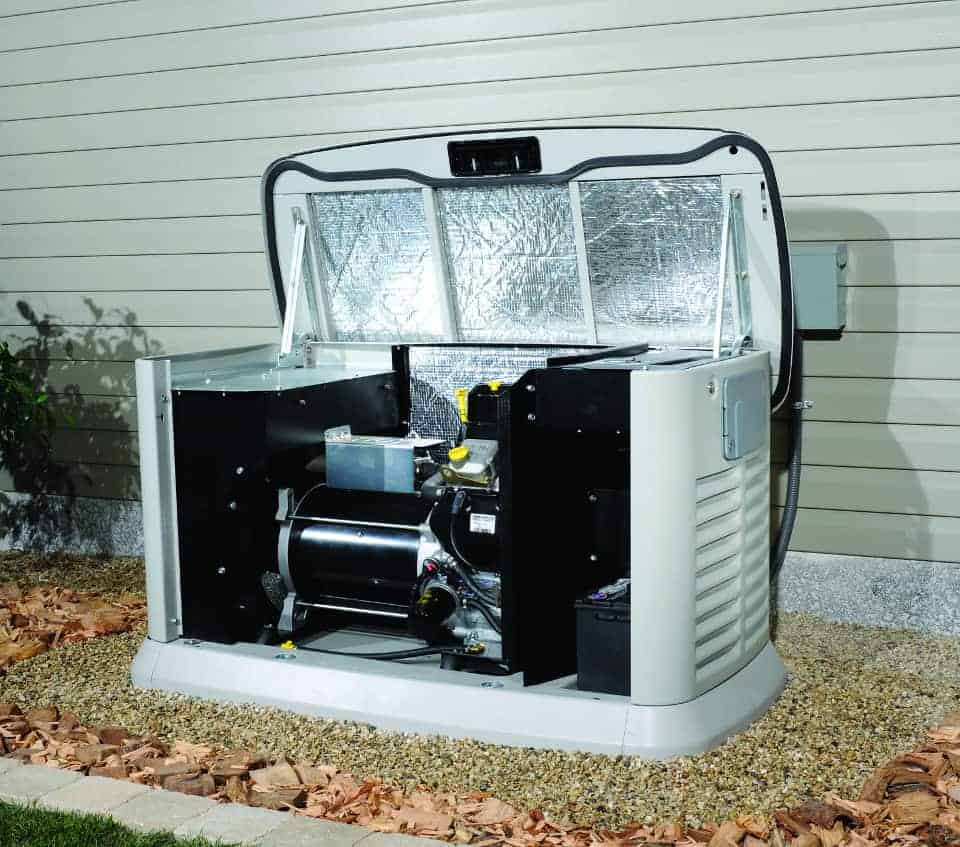
Standby generators are essential devices that provide automatic backup power when the grid fails. They are typically installed outside the structure, connected to the electrical system and fueled by natural gas, propane, or diesel. Should the power fail, the generator senses the power failure and begins operating immediately. This mechanism requires an ATS (Automatic Transfer Switch), that isolates the property from utility power and switches the load to the generator
(Portland Standby Generators)The unit subsequently generates power, providing energy to critical systems or the complete structure, based on its size. Most standby generators feature a built-in monitoring system that confirms optimal performance and servicing. The generators function for prolonged times, delivering dependable electricity until utility power is restored. Grasping how backup generators work enables users to see their importance in improving power reliability and minimizing disruptions during unexpected outages
Benefits of Installing a Standby Generator
Trustworthiness is a key feature when putting in a backup system, because it provides constant power during outages. This essential feature assures that homes and businesses remain operational, protecting valuable assets and upholding livability. Furthermore, these generators improve protection by mitigating grid failures that might cause dangerous conditions, such as frozen pipes or medical equipment failures.
Value for money is another benefit; while the upfront cost may be high, the long-term savings from preventing food waste, disrupted workflow, and unexpected fixes can be considerable. In addition, these generators increase property value, which makes them an appealing amenity for potential buyers.
Ease of operation is a key factor, as these generators start up on their own during an outage, doing away with the requirement for human involvement. This seamless operation lets people to continue their everyday activities without hiccups. Overall, setting up a standby system offers peace of mind, assuring that power is always available when it matters most.
Essential Characteristics to Seek in a Generator Unit
When selecting a standby generator, multiple important characteristics must be evaluated to ensure optimal operation and appropriateness for individual requirements. To begin with, the power output is vital; potential users must calculate the necessary power to support essential appliances during an outage. Additionally, the power source—whether natural gas, LP, or diesel—influences operation and operational costs.
An additional key element is the transfer switch, which enables smooth transition of power and enhances safety. Durability and build quality also matter; a robust generator can withstand harsh weather conditions.
Furthermore, how loud it is needs evaluation, as quieter models are preferable for neighborhood settings. Certain models include automatic start capabilities, adding comfort during unforeseen blackouts. To conclude, guarantee and maintenance plans should be reviewed, offering trustworthy maintenance and maintenance. When considering these factors, future owners can choose a backup system that satisfies their specific energy requirements effectively.
Factors to Consider Before Purchase
Before committing to a standby generator, potential buyers should carefully evaluate several essential factors to confirm they arrive at an educated choice. Portland Standby Generators. Initially, they must evaluate their energy requirements by calculating the wattage required to run important appliances during an outage. Secondly, the fuel type is vital; choices are natural gas, propane, or diesel, all having distinct benefits and access factors
Additionally, buyers should consider the generator's transfer switch, which allows for smooth energy changeover. Installation requirements are also important, since certain models might require expert setup or obtaining necessary permits
The warranty and support options must be carefully reviewed, as these can greatly impact how satisfied you are in the long run. Lastly, potential buyers should evaluate the level of noise produced, above all if they are located in populated neighborhoods. By considering these elements, consumers can select the right generator that perfectly suits their specific needs and preferences
Maintenance Tips for Your Standby Generator
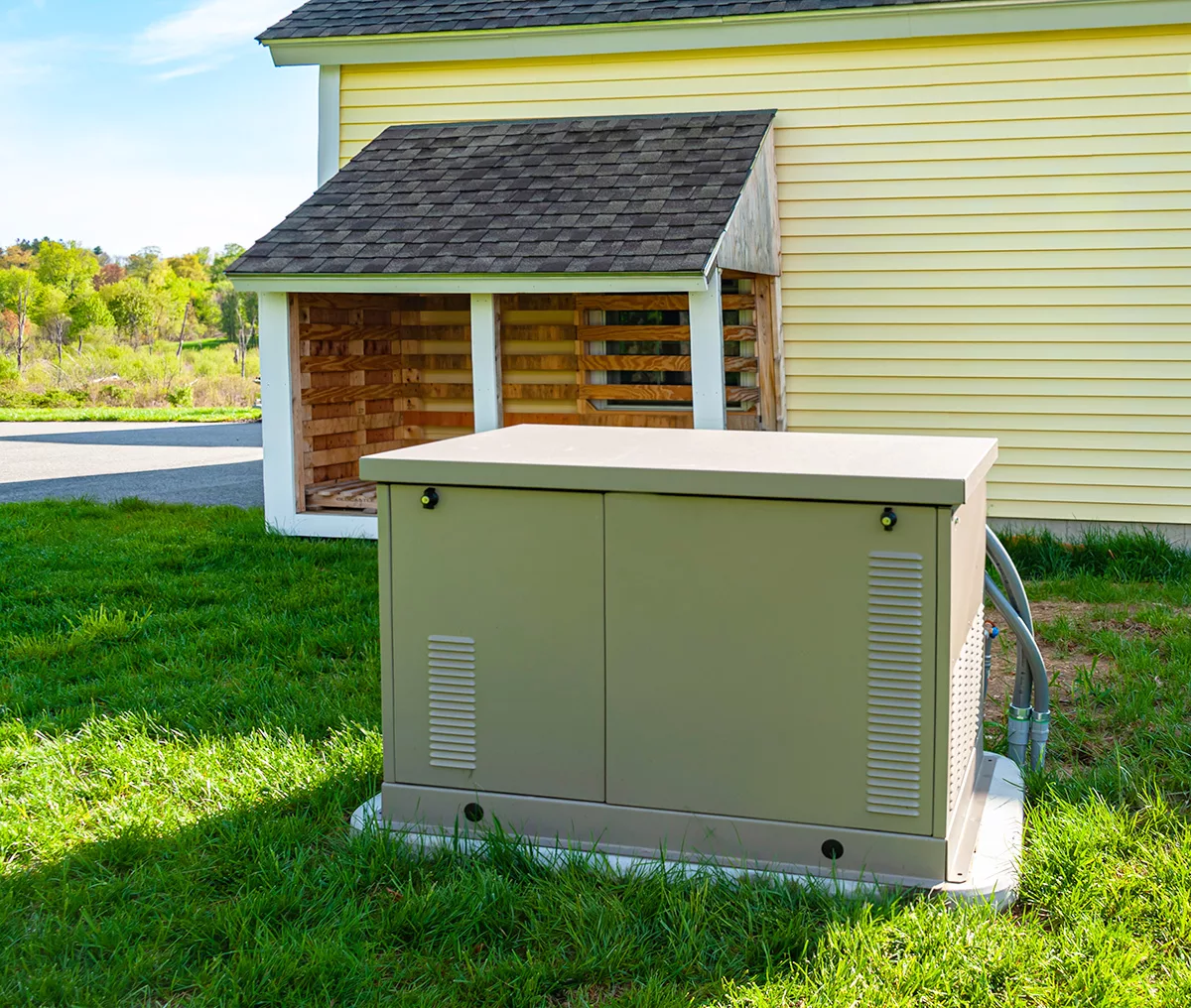
Regular maintenance is essential to ensure optimal functioning and the long life of a backup generator. Owners should begin by inspecting the generator's oil levels, and swap out the oil and filter as recommended by the maker. Make sure to check the air filter and replace it as necessary to ensure proper air circulation. You should also test the battery and clean any corrosion on terminals to maintain reliable starting power.
Perform load tests regularly to confirm the generator can handle its rated capacity. Additionally, verify that the exhaust is clear of blockages and leaks. Ensuring the generator is clean and clear of debris will help prevent overheating and other issues.
As a final step, book professional upkeep yearly to address any potential problems and carry out detailed inspections. Adhering to these upkeep guidelines will significantly prolong the life of a standby generator, giving you confidence when the power goes out.
FAQs
What is the Average Cost of Standby Generators?
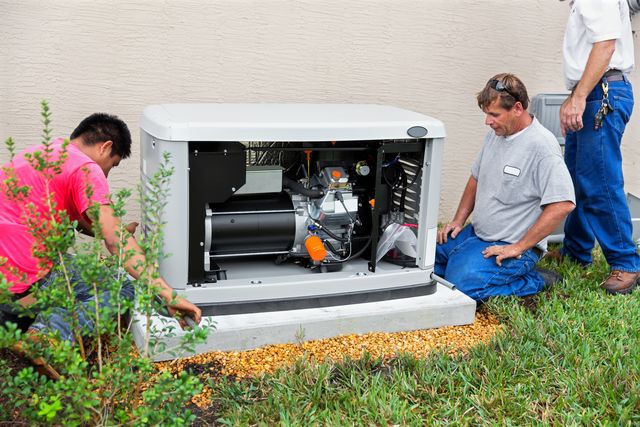
Backup generators usually range in price from $2,000 to $15,000, depending on factors such as power output, brand, and installation complexity. Additional expenses may include maintenance, permits, and the cost of fuel tanks, affecting the total investment needed.
Is Self-Installation of a Standby Generator Possible?
It is possible to install a standby generator yourself, though it demands familiarity of electrical systems and local codes. It is highly recommended hiring a professional to guarantee safety, compliance, and ideal performance of the generator installation.
What Energy Sources Do Standby Generators Use?
Standby generators typically use fuels such as natural gas, propane, diesel, or gasoline. Portland Standby Generators. The choice of fuel is frequently influenced by the cost, availability, and particular power requirements, affecting the operation and efficiency of the generator
Do I Need Permits for Installation?
Yes, permits are often required for the installation of standby generators. Rules differ depending on the area, so it is vital for those installing the unit to check with local governing bodies to ensure adherence with all relevant codes and requirements.
For What Duration Can a Standby Unit Operate Continuously?
A standby generator can run continuously for varying durations, typically ranging from 24 to 48 hours, based on the load demands and fuel availability. Routine upkeep ensures peak performance and longevity during prolonged periods of use.