Certified Electrician for Safe and Reliable Electrical Solutions
Engaging a licensed electrician is a crucial determination for both residential and commercial properties. Their skill set guarantees adherence to local requirements, encouraging safety and efficiency in electrical networks. Failing to address electrical problems can bring about grave dangers, involving fires and shocks. Understanding the role of a professional electrician with credentials can explain why their offerings are indispensable. What factors should one consider when selecting the correct specialist for specific needs?
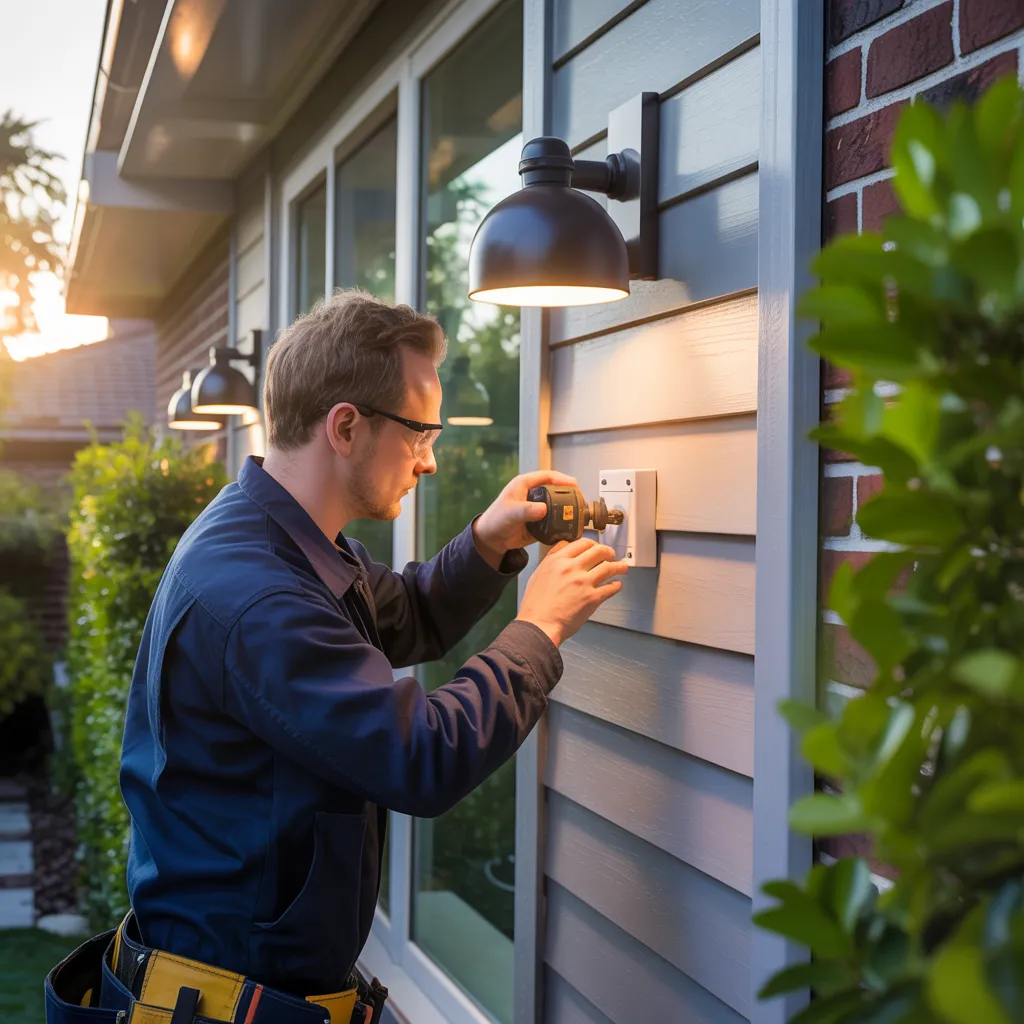
Regular Electric Troubles You Must Not Ignore
Many homeowners may ignore common electrical problems, but tackling these problems quickly is crucial for both safety and effectiveness. Flickering lights often indicate a loose bulb or faulty wiring, which can develop into more dangerous problems. Similarly, frequent tripped circuit breakers indicate an overloaded system or potential electric shorts, both of which require immediate attention. Overheating outlets can pose fire risks, suggesting worn-out wiring or incompatible devices. Owners should also watch out for unusual electrical smells, as they may signal smoldering insulation or other major problems. Finally, if outlets or switches are warm when touched, insightful guide this can be a sign of a serious electrical fault. Early detection of these issues can help avoid accidents and expensive repairs, ensuring a more secure home. By prioritizing the resolution of these common electrical issues, homeowners can maintain the efficiency and safety of their electrical systems.
Why Selecting a Registered Electrician Is Fundamental
Hiring a licensed electrician is crucial for maintaining adherence with electrical codes, which are designed to safeguard property and lives. Their knowledge not only ensures proper installation and repairs but also prioritizes safety in potentially hazardous situations. By hiring a licensed professional, homeowners can avoid costly mistakes and enhance the durability of their electrical systems.
Alignment With Power Standards
Confirming conformance with electrical laws is important for the safety and functionality of any electrical project. Licensed electricians have the understanding necessary to manage the challenging rules that control electrical work. These codes are set to defend individuals and property from electrical hazards, ensuring that installations are secure and reliable. Failure to observe these codes can result in severe consequences, including electrical burns, equipment breakage, or costly repairs. Furthermore, many local jurisdictions require permits for electrical work, which licensed electricians can easily obtain. By contracting a licensed professional, homeowners and businesses can confirm that their electrical systems meet all necessary standards, ultimately creating a more protected environment and enhancing the longevity of the installation. Compliance is not just a legal obligation; it is a critical aspect of responsible electrical work.
Expertise And Security Assurance
A professional electrician who is certified acts as an essential component in safeguarding the safety and reliability of power systems. Their extensive training and knowledge equip them with the skills to identify and fix complex electrical issues, reducing risks related to faulty wiring or inadequate installations. Qualified electrical professionals maintain strict safety protocols, substantially decreasing the possibility of accidents or code violations. Moreover, they are knowledgeable about state and federal electrical guidelines, which ensures compliance and shields homeowners from conceivable legal exposure. When selecting a qualified electrical expert, individuals can rest assured that their electrical needs are met with precision, fostering a secure environment. Ultimately, this investment in professional expertise yields confidence and security and long-term savings in repair work and servicing.
What You Should Be Informed About About Local Electrical Codes
Knowing local electrical codes is necessary for upholding safety and compliance in any electrical activities. These codes not only fluctuate by region but also lay out critical safety standards that must be complied with. A licensed electrician is extensively experienced in these guidelines, making their competence irreplaceable for any assignment.
Relevance Of Electrical Regulations
Observance of electrical codes functions as a vital framework for safety and efficiency in electrical installations. These codes, established by national and local authorities, guarantee that electrical infrastructure are installed and designed to reduce risks such as equipment failures, electrical shocks, and electrical fires. Adherence to these regulations promotes uniformity in building practices, enabling inspections and maintenance. Moreover, electrical codes are periodically updated to account for improvements in safety practices and technology, making it crucial for electrical professionals to remain current. By adhering to these codes, licensed electricians not only protect lives but also improve the durability and dependability of electrical systems. In summary, the importance of electrical standards is paramount, as they play a pivotal role in safeguarding both property and people.
Local Code Variations Clarified
While electrical codes formulate a foundational rule for safety, local variations often reflect the unique needs and states of specific communities. These local codes may consider aspects such as weather type, population density, and historical infrastructure. For instance, zones with difficult climates may have stricter guidelines for outdoor installations, while regions with older buildings might require extra measures for retrofitting. Additionally, municipal bodies may adopt codes to support energy efficiency or green practices, aligning with community ambitions. Understanding these variations is indispensable for homeowners and contractors, as compliance pledges not only safety but also the persistence of power networks. In conclusion, engaging with a certified electrician familiar with local regulations is essential for While electrical codes establish a foundational norm for safety, regional modifications often reflect the specialized needs and environments of specific communities. These local codes may address factors such as climate, population density, and historical infrastructure. For case study, areas prone to severe weather may have firmer guidelines for exterior systems, while antiquated urban areas might mandate adapted approaches for system updates. Additionally, governing bodies may enforce codes to promote energy efficiency or environmental stewardship, conforming with regional goals. Comprehending these variations is vital for homeowners and contractors, as compliance guarantees not only protection but also the longevity of electrical systems. In the final analysis, consulting with a professional electrician experienced with local regulations is absolutely necessary for project success.
Compliance And Safety Standards
How can homeowners ensure their electrical installations meet security requirements? Comprehending local electrical codes is vital for confirming compliance and safety. These codes are established to protect both buildings and people from electrical dangers. Homeowners should speak with licensed electricians who are familiar with these requirements, as they differ by location and may change over time. Routine checks can help detect possible problems before they become serious problems. Additionally, obtaining the necessary permits before beginning any electrical projects is essential, as this ensures that the installation is examined and meets all local standards. By remaining knowledgeable and working with experts, homeowners can guarantee their electrical installations are both secure and effective, minimizing the risk of accidents and improving overall performance.
Finding the Best Qualified Electrical Specialist for Your Undertaking
Finding the right licensed electrician for a project can profoundly influence its safety and success. Individuals should begin by examining electricians with valid licenses and insurance, verifying they meet local standards. Endorsements from loved ones, peers, or digital reviews can provide insights into a specialist's reliability and quality of work.
It's necessary to consider the electrician's competency in comparable projects. A seasoned electrician may be more effective at resolving focused assignments, such as household electrical work or trade installations. Additionally, procuring various quotations can contribute in recognizing prevailing costs and the selection of offerings offered.
Communication competencies are also important; effective electricians need to be able to explain issues clearly and field any questions. Lastly, verifying warranties on work done can offer peace of mind, ensuring that any future concerns will be dealt with. By thoughtfully considering these factors, individuals can pick an electrician who fits their project needs.
Advantages of Frequent Evaluations by Qualified Electricians
What advantages can regular inspections by certified electrical professionals offer homeowners and businesses? Regular inspections ensure that electrical systems function safely and efficiently, reducing the risk of hazards such as electrical fires or equipment failures. Licensed electricians have the expertise to detect potential issues before they worsen, allowing proactive upkeep and avoiding costly repairs. Moreover, these inspections help guarantee adherence with local codes and regulations, protecting against legal liabilities.
Additionally, regular assessments can enhance energy efficiency by detecting old or defective wiring and appliances, eventually reducing energy bills. Homeowners and businesses can also benefit from improved reliability of electrical systems, reducing downtime and disruption. By committing to routine inspections, property owners can extend the lifespan of their electrical systems, ensuring long-term performance and safety. Overall, regular inspections by licensed electricians offer peace of mind, understanding that electrical systems are in peak condition.
Understanding the Costs of Hiring an Electrician
Knowing the costs associated with hiring an electrical professional is vital for homeowners and businesses in like manner, especially after grasping the importance of regular evaluations. Various aspects affect these costs, embracing the complexity of the job, the electrical professional's background, and regional cost inconsistencies. In general, electricians charge hourly rates or flat fees for specific services. Per-hour fees can range from $50 to $150, subject to the electrical professional's skill level and the job's time-sensitive character.
Additionally, materials and permits may add to the overall expenses. For standard work, such as adding fixtures or upgrading outlets, costs may be predictable. However, urgent fixes or comprehensive rewiring can greatly increase costs. Homeowners and businesses should also factor in possible future savings from engaging certified contractors who ensure work meets safety requirements. Overall, grasping these expenses can help in deciding wisely and budgeting effectively for electrical requirements.
Frequently Asked Questions
In What Way Can I Authenticate an Electrician Licensing and Credentials?
To establish an electrician's credentials and licensing, one should check with the local licensing board, assess state or provincial regulations, and reference online databases to validate their qualifications and any potential disciplinary actions.
What Certifications Ought to I Find in a Registered Electrician?
When choosing a certified electrical professional, one should seek out relevant certifications, expertise with particular electrical work, understanding of regional regulations, insurance coverage, and positive customer reviews to guarantee quality and reliability in their work.
Can I Undertake Electrical Tasks Personally if I Have Skill?
Experience may be advantageous, but handling electrical work without valid licenses and permits is ordinarily inadvisable. Local regulations regularly demand authorized specialists for safety, compliance, and reliability, assuring that all work fulfills necessary standards.
What Safety Measures Should I Take During Electrical Work?
During electrical projects, you should always turn off power, use insulated tools, wear rubber-soled shoes, and guarantee proper ventilation. Additionally, implementing personal protective equipment and complying with local codes enhances safety and minimizes risks considerably.
What Steps Should I Take to Arrange My Home Before an Electrician's Visit?
Prepare for an visit from an electrician by having property owners clear work areas, provide simple entry to electrical distribution units, compile necessary paperwork, and address specific issues or concerns beforehand to support efficient service and communication.